For Fiona Turner, music is about much more than notes on a page or performances on a stage. It is a way for young people to connect, express themselves and discover a sense of belonging.
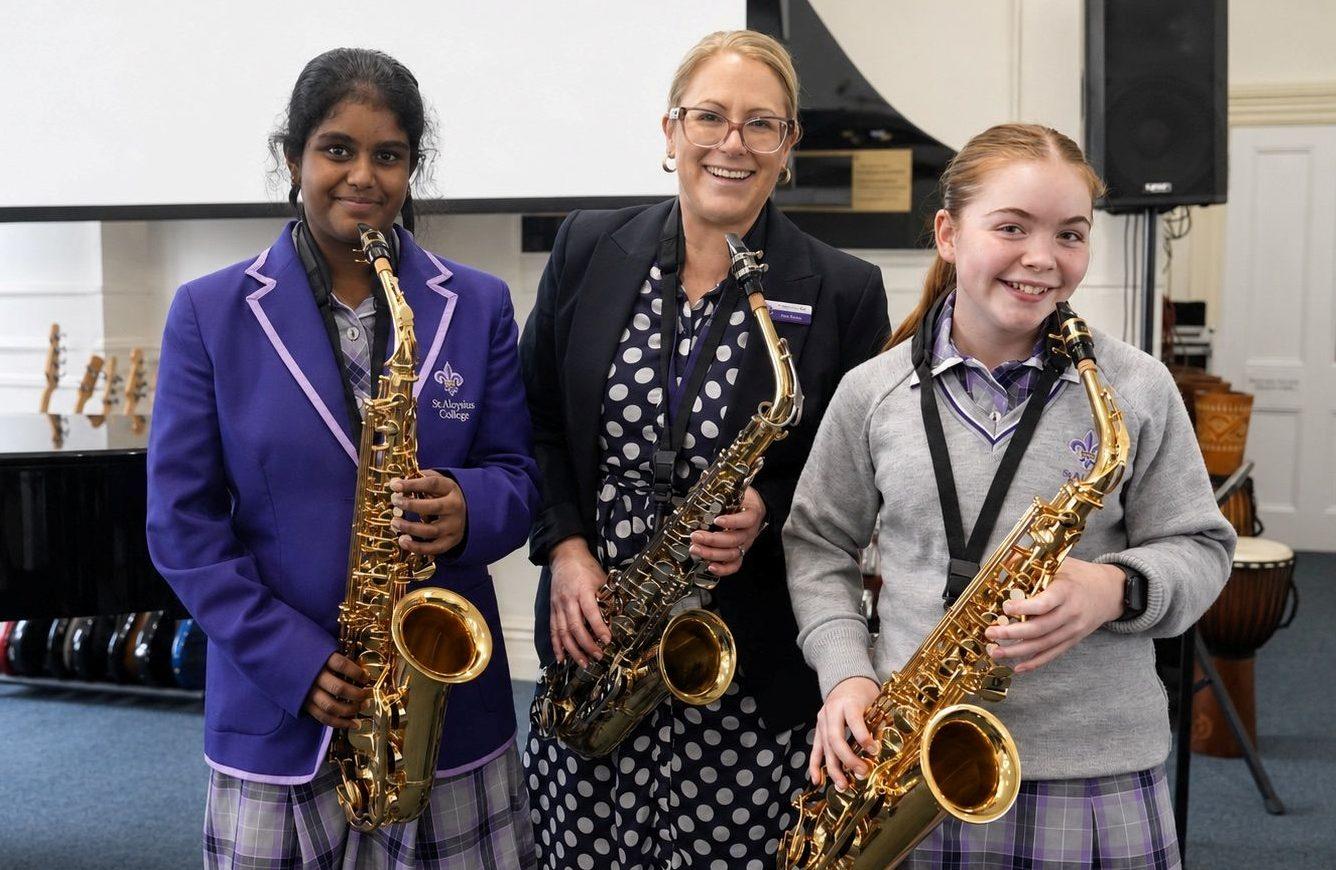
As Music, Instrumental Program & Curriculum Extension Coordinator at St Aloysius College, Adelaide, Fiona has spent 25 years helping students develop their musical talents and confidence. Whether teaching in the classroom, directing performances or supporting students through the College’s instrumental music program, she is passionate about creating opportunities for every student to find their own musical voice.
A lifelong love of music
Fiona’s journey into teaching began with her own love of music and the important role it played in her life.
Through her experiences as a musician, she came to appreciate not only the technical and creative aspects of music, but also its power to bring people together and help shape identity.
That passion ultimately led her to a career in education.
“What continues to motivate me is creating an environment where students feel comfortable to explore and develop their own musical voice,” she said.
“I believe it is important that every student feels a sense of belonging and is encouraged to engage with music in a way that is meaningful to them, regardless of their starting point.”
For Fiona, one of the most rewarding parts of teaching is helping students grow in confidence and see themselves as musicians.
Watching confidence grow
After 25 years in the classroom, Fiona says it is difficult to identify a single moment when she felt she had made a difference.
Instead, it is the many small moments of growth that stay with her.
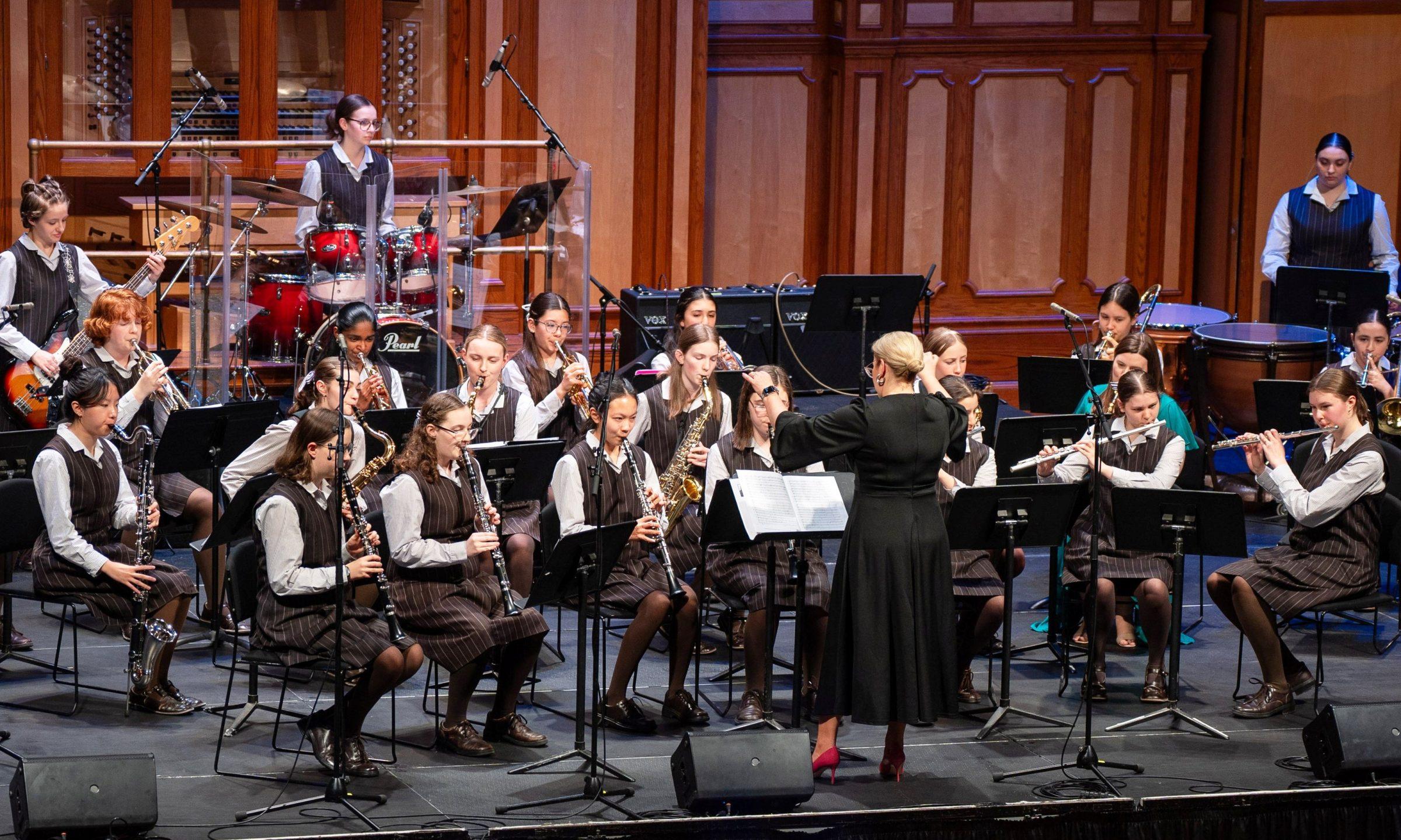
She recalls students discovering a love of an instrument they may never have considered without the classroom music program. Others have progressed from being hesitant and unsure to confidently performing in major concerts.
“Watching that growth and sense of achievement is very meaningful,” she said.
She also values hearing from students at the end of their school journey who reflect positively on their experiences in music.
“These moments reinforce that making a difference is often about gradual growth – helping students discover something they value and feel proud of.”
More than music
One experience in particular has remained with Fiona throughout her career.
A student once shared that music had become their safe space at school. The student spoke about feeling able to be themselves in the music classroom and how the encouragement they received had helped them continue to engage with school life.
“What stayed with me was not just what they said, but the trust behind it,” Fiona reflected.
The conversation reinforced her belief that teaching is about far more than developing knowledge and skills.
“It highlighted the importance of creating an environment where students feel supported and comfortable enough to engage, take risks and express themselves.”
For Fiona, creating these spaces is one of the most important aspects of her work as an educator.
A foundation of compassion and service
Fiona’s Catholic faith shapes the way she approaches teaching and the relationships she builds with students.
“My faith shapes my teaching through its emphasis on compassion, respect and service,” she said.
“It influences the way I build relationships with students, encouraging me to approach each individual with patience, understanding and genuine care for their wellbeing.”
She strives to model these values in the classroom and foster a culture where students support one another and contribute positively to their community.
Growing the whole person
One of the aspects Fiona values most about Catholic education is its commitment to developing the whole person.
“The most rewarding part of teaching in a Catholic school is being part of a community that values the development of the whole person,” she said.
In music, she sees this reflected every day as students collaborate, perform and encourage one another.
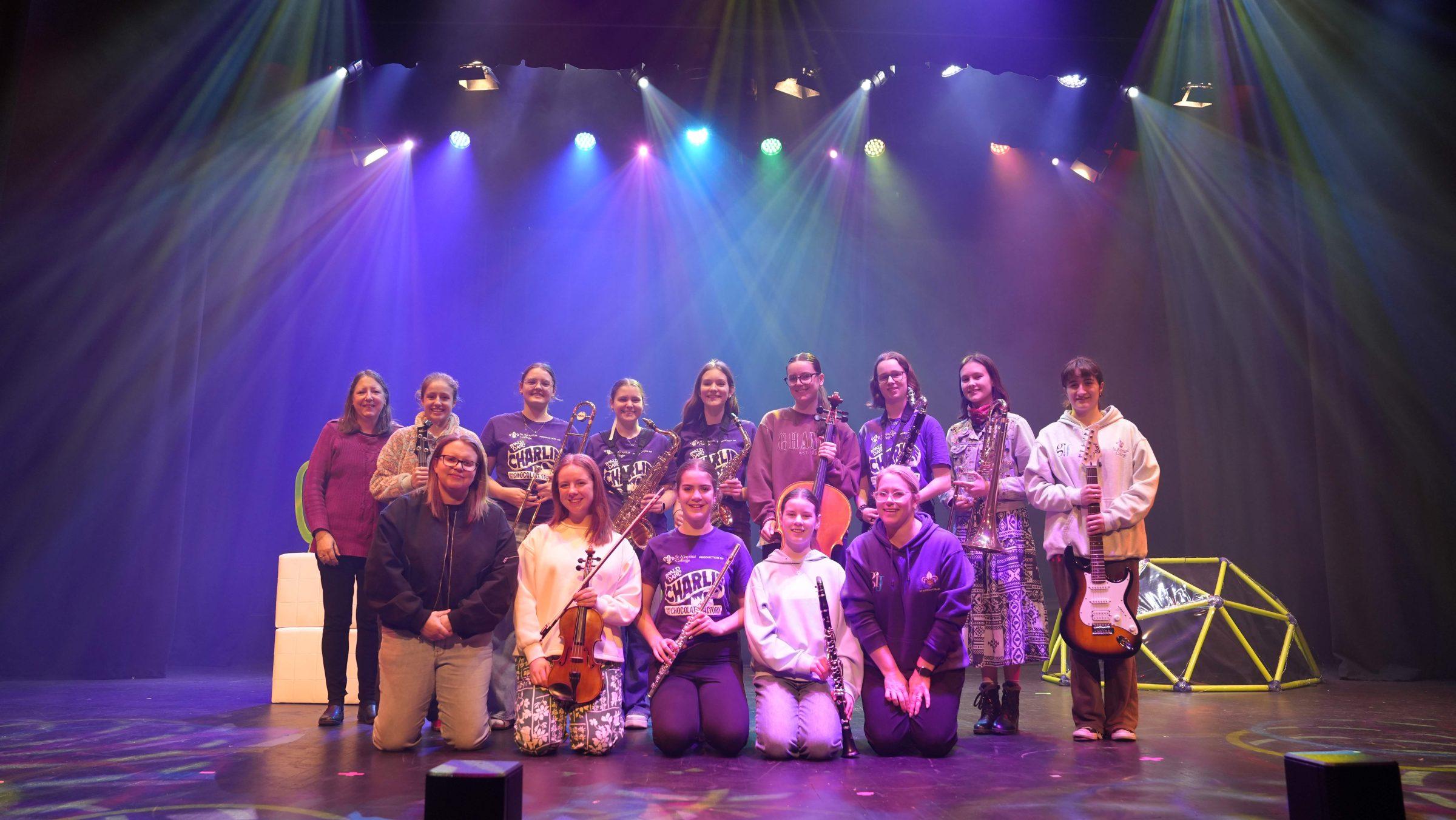
“Seeing students grow in this environment, feeling valued and connected, is what makes the experience so fulfilling.”
Looking beyond the classroom, Fiona believes Catholic education plays a vital role in helping young people develop purpose, empathy and a commitment to the common good.
“It provides students with a framework for making thoughtful, values-based decisions in an increasingly complex world,” she said.
By encouraging students to think ethically, care for others and contribute to their communities, Catholic education equips them with skills that extend far beyond their years at school.
For Fiona, that is one of the most powerful aspects of education: helping young people discover not only what they are capable of achieving, but also who they want to become.