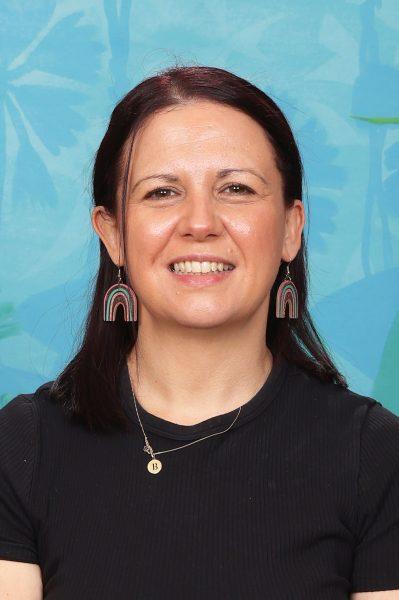
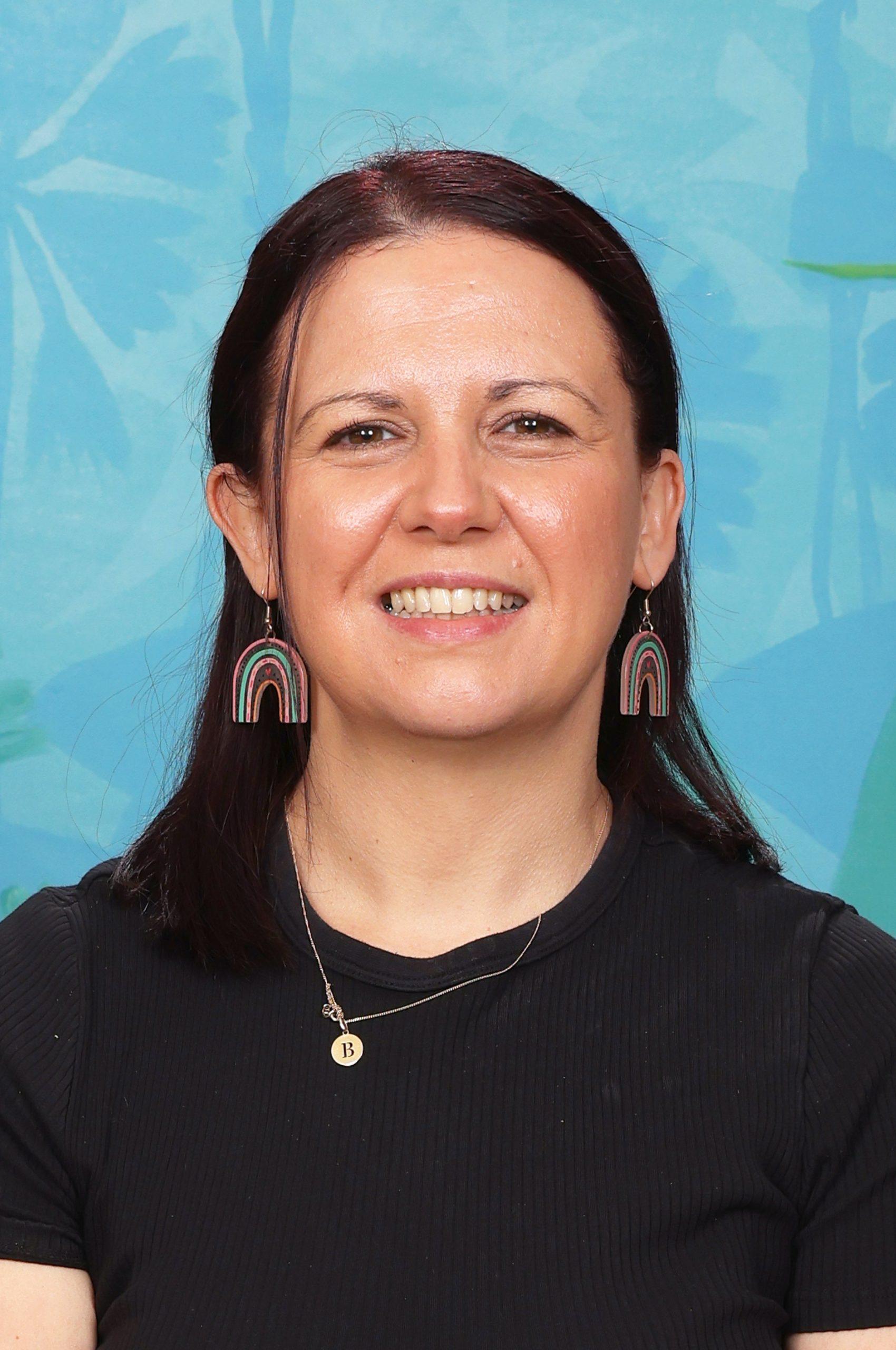
For Rebekah Peterson, early childhood education is all about relationships. It’s about making sure every child feels safe, known and valued. It’s about building trust with families, celebrating children’s strengths, and creating spaces where curious minds can grow and flourish.
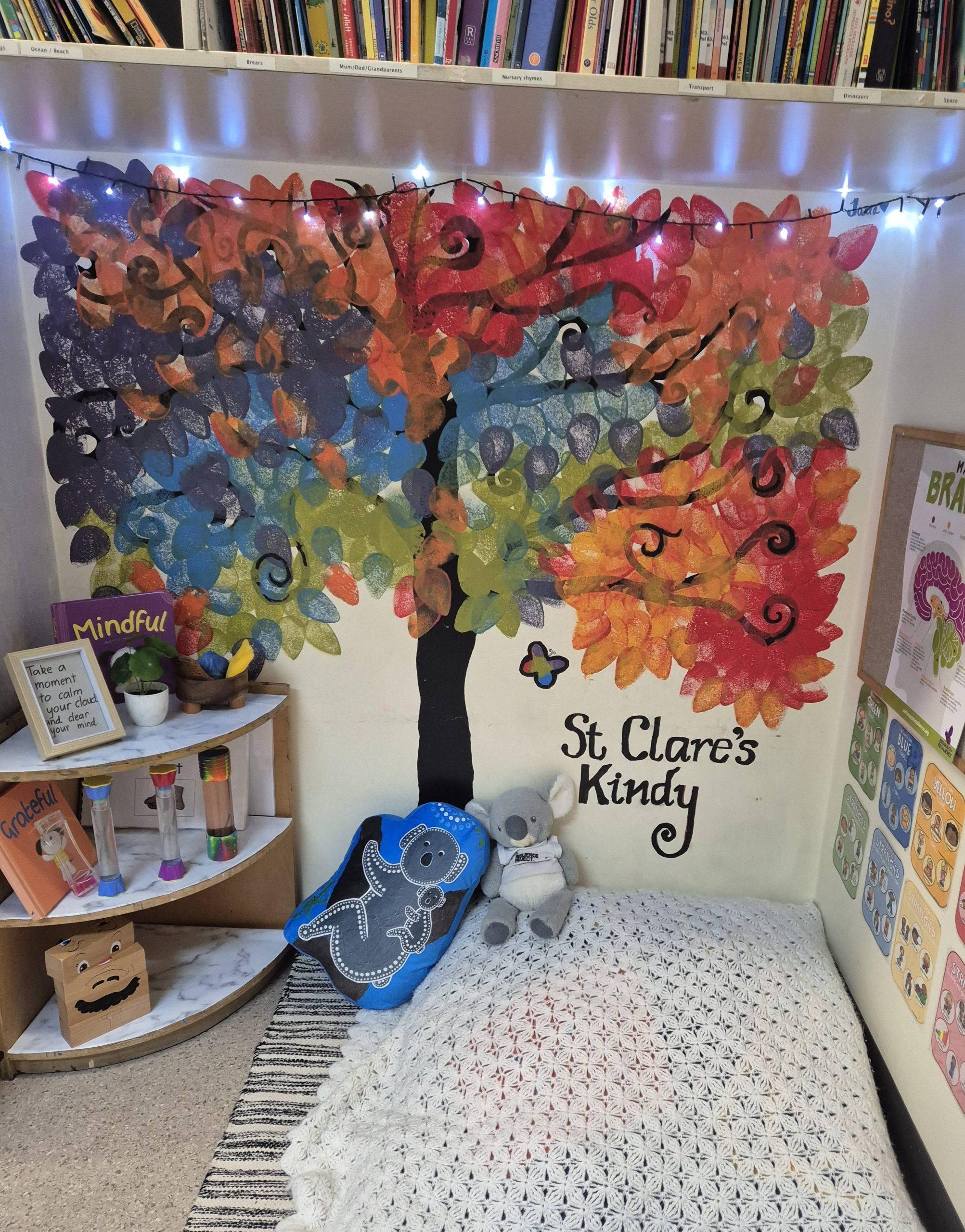
As Director Teacher at St Clare’s Kindergarten in Burdell, Rebekah has spent the past decade working alongside children and families during some of the most important years of life. While she originally imagined herself teaching in a primary school classroom, it didn’t take long for her to realise she had found something special in the early years.
“I quickly discovered that my passion wasn’t for preparing children for the next stage of education,” she said.
“It was for ensuring they experienced a childhood where they felt safe, known, capable and deeply valued.”
Looking back, Rebekah says she found more than a career in early childhood education.
“I didn’t just find my career in early years teaching, I found my village.”
Finding Joy in the Early Years
Rebekah began studying a Bachelor of Early Childhood Education in 2013 while expecting her third child. Balancing family life and study was not always easy, but it led her towards a profession she now feels deeply privileged to be part of.
Over the years, she has worked in a variety of roles, from Family Day Care Educator and Room Leader to Educational Leader, Early Childhood Teacher and now Director Teacher.
Along the way, she discovered what makes early childhood education so unique.
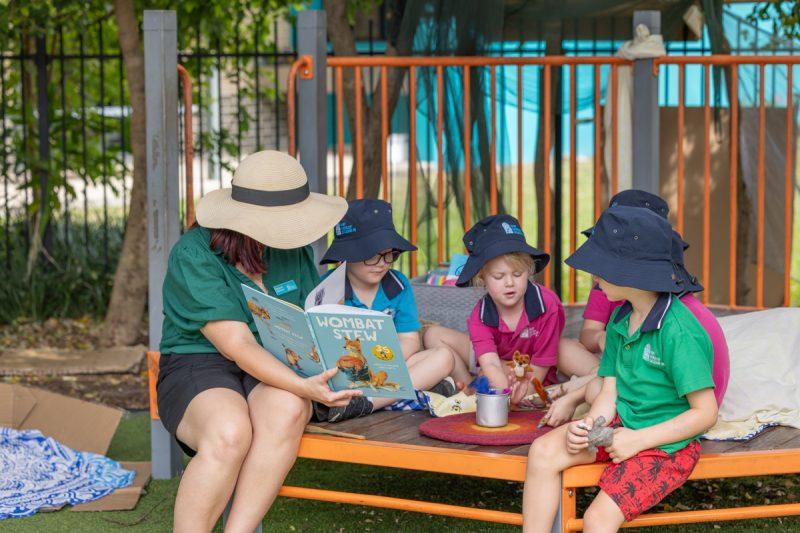
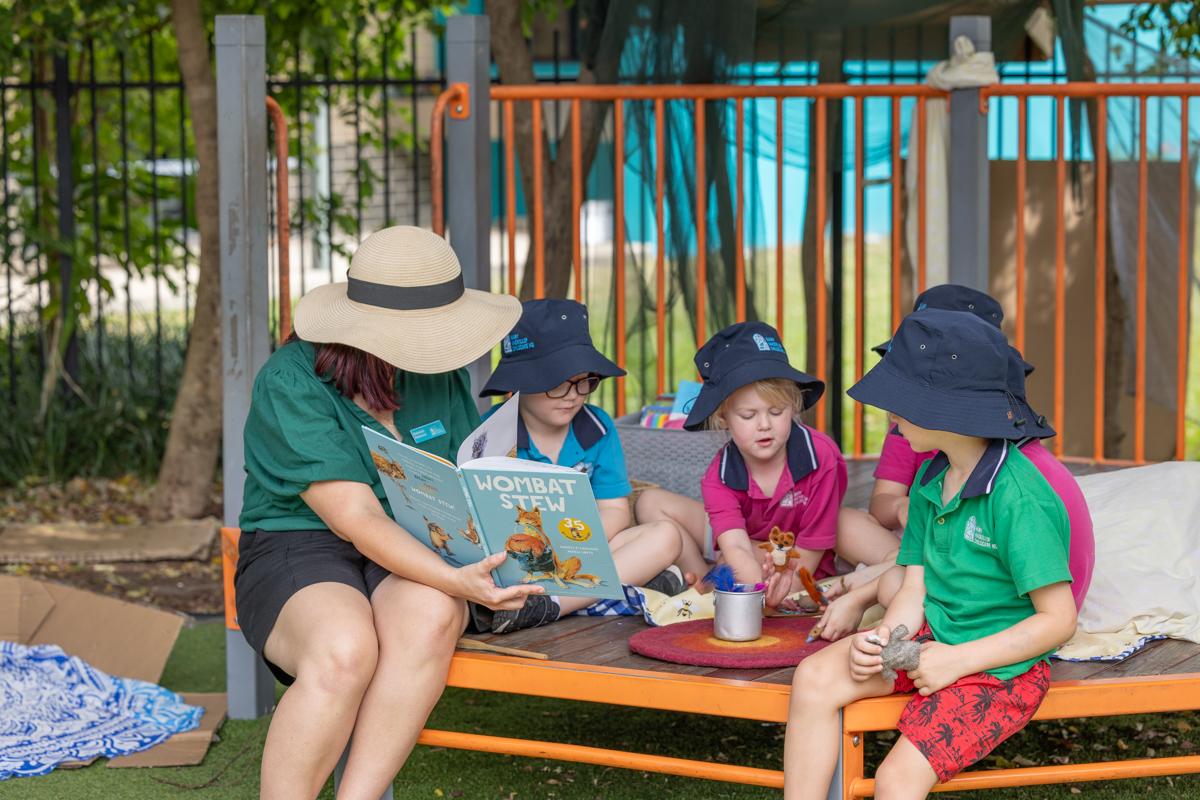
“For me, the greatest privilege is being able to take the time to be curious alongside children,” she said.
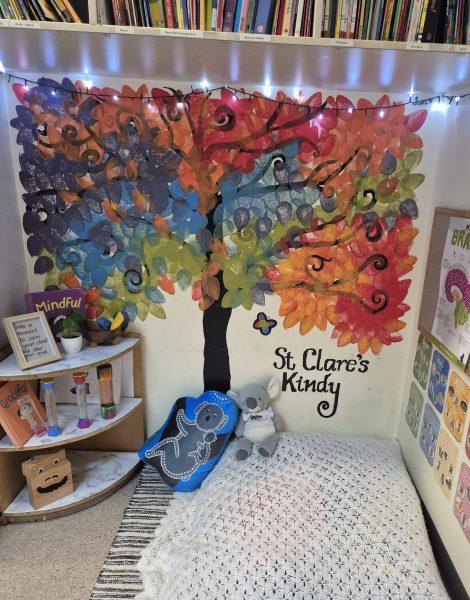
“To build genuine partnerships with families and create learning environments that are responsive, play based and centred on relationships.”
She is passionate about the importance of the early years and believes young children deserve educators who recognise the significance of this stage of development.
“Our youngest children deserve experienced, passionate educators who understand just how important these years are.”
The moments that stay with you
Ask Rebekah about making a difference and she won’t point to an award, achievement or milestone. Instead, she talks about children and families.
The child learning to navigate grief after losing a loved one. The family finding answers and support following a diagnosis. The quiet moments when a child begins to believe in themselves, make a new friend or find the confidence to try something new.
“I have been fortunate to walk alongside children and families on many different journeys,” she said.
“My greatest moments of success are often not the ones anyone else sees.”
“They are the moments I hold close to my heart.”
For Rebekah, the most meaningful part of her work is helping children and families feel seen, heard and valued.
Learning from children
Some of the lessons that have shaped Rebekah most have come from the children she teaches. One particularly powerful memory comes from inviting a grandfather who had experienced the Stolen Generations to share his story with the kindergarten community.
Listening to his experiences, and hearing his gratitude that his granddaughter was learning about Aboriginal and Torres Strait Islander histories and cultures at Kindy, reinforced the importance of creating learning environments built on respect, truth telling and belonging.
Years later, Rebekah watched proudly as that granddaughter became a First Nations student leader at her school and delivered an Acknowledgement of Country at assembly.
“It’s moments like that which remind you how important this work is,” she reflected.
Another lesson came from a young girl proudly connected to the Gubbi Gubbi people during a conversation about reconciliation.
“Sorry means change,” the child told her. “We can’t say the words if we don’t change what we are doing.”
Those words have stayed with Rebekah ever since.
“Every year I share those words with a new group of children,” she said.
“They remind us that reconciliation is not just about reflection. It requires action.”
Listening with your heart
Through these experiences, Rebekah has developed a simple philosophy.
“The most important thing educators can do is listen.”
“Listen with intent. Listen to hear. Listen to learn. And sometimes, listen with your heart.”
She believes every child and every family carries a unique story.
“When we truly listen, we create opportunities for children to flourish, families to feel valued and communities to grow stronger.”