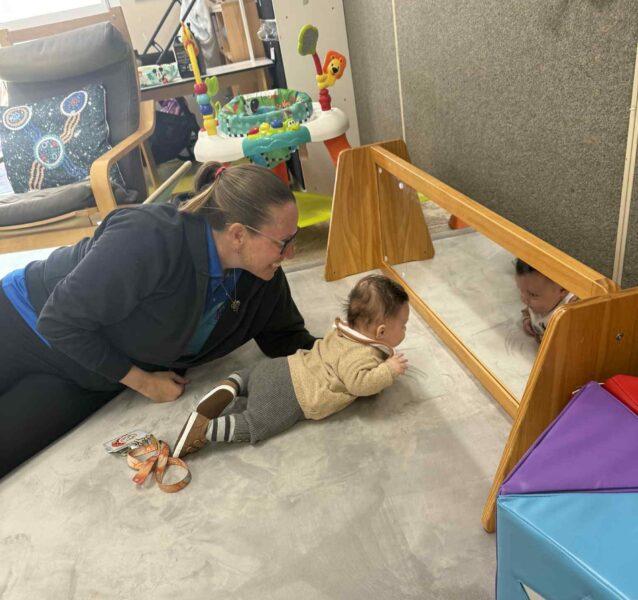
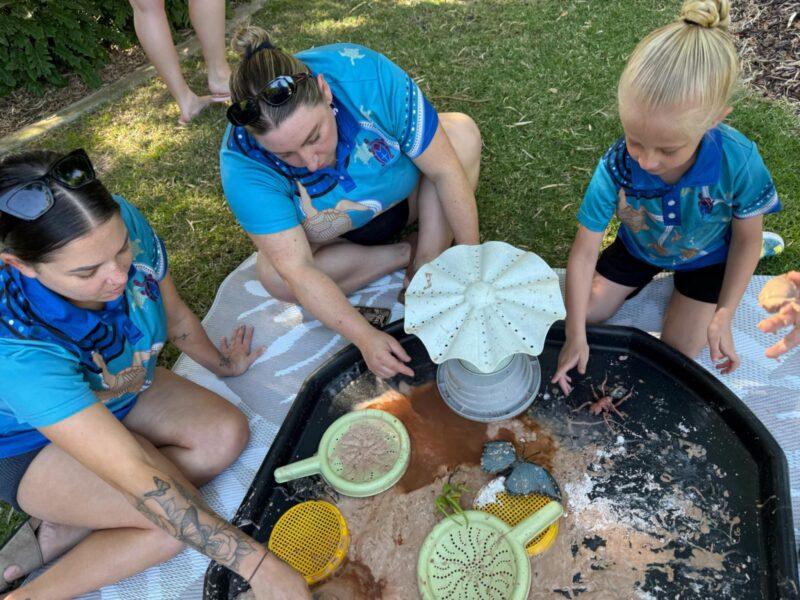

The Aboriginal Families as First Educators (AFaFE) program is built on a simple but powerful idea: that families are a child’s first and most important teachers. Grounded in culture, community and connection, the program run by Catholic Education Western Australia (CEWA) supports First Nations families to nurture their children’s early learning and development, while strengthening relationships between families, schools and early learning services.
Delivered by trusted local educators, AFaFE creates culturally safe spaces where families can build confidence, share knowledge and support their children’s transition into education. At the heart of the program are the educators who bring it to life — guiding, listening and walking alongside families every day.
Two of those educators are Tenelle Wilkin and Hannah Higgins.
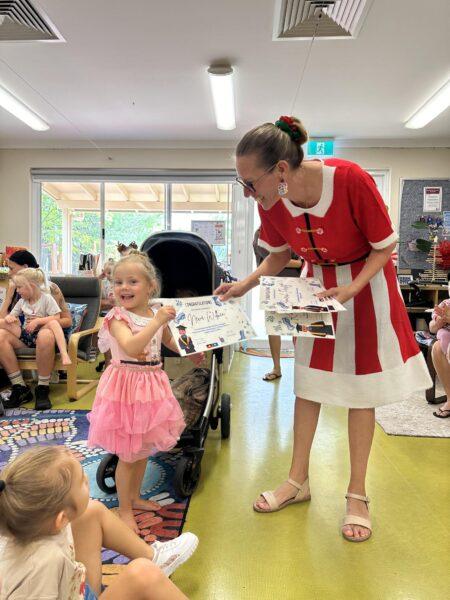
Tenelle is the Playgroup Facilitator for the Moort Waabiny Playgroup at St Maria Goretti’s Catholic School in Redcliffe WA and Hannah who joined the prpgram in 2020 is the Family Liaison Officer. They work with children from birth to five years old with a strong focus on early intervention and family support. Tennelle has been part of the AFaFE Playgroup program for almost 11 years and has worked in education for 19 years. In 2019, she completed her teaching degree, reinforcing her commitment to providing meaningful, culturally safe learning experiences for young children and their families.
Here, Tenelle and Hannah share what the program means to them, and how their work is helping children and families thrive.
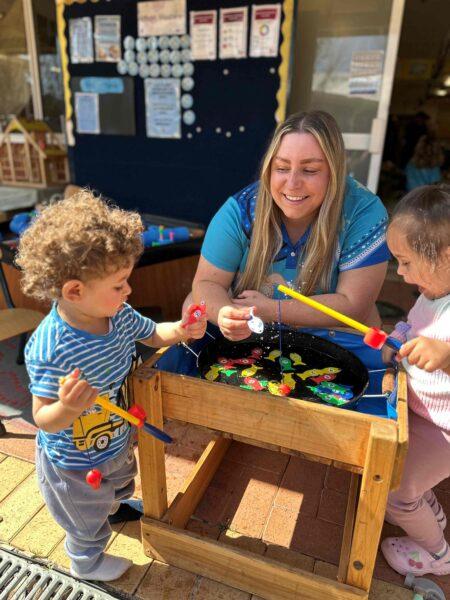
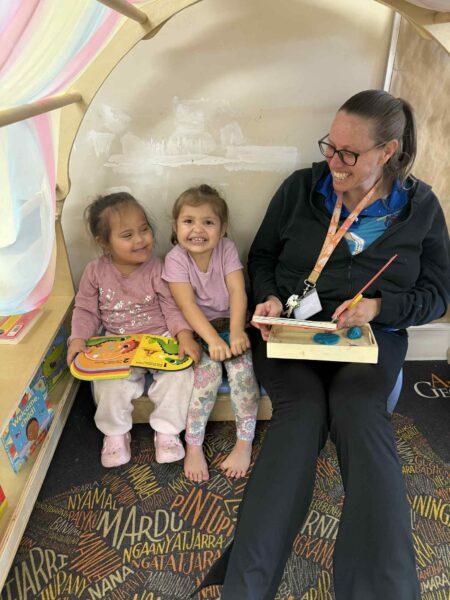
What inspired you to become involved in the Aboriginal Families as First Educators (AFaFE) program?
TENELLE: What inspires me most is seeing the difference we can make in the lives of families and their little ones. I love being part of their journey and helping them grow in all areas of life. Sharing culture, learning alongside families, and helping to keep our culture alive for the next generations is a big part of why I do this work.
I’m passionate about creating a space where our First Nations families feel safe, welcomed, and truly seen. I want parents to feel empowered as their children’s first teachers, and to know they already have so much knowledge and strength to offer. Being able to show this both in our AFaFE environment and in their homes is meaningful to me.
Most of all, I want children and their parents to feel happy and supported as they begin their school journey. Helping to make that transition smooth, positive, and joyful is something I’m proud to be part of.
HANNAH: I was inspired to become involved in the AFaFE program because I have always believed deeply in the strength, wisdom, and capability of First Nations families, especially during a child’s earliest years. I am incredibly passionate about how vital early development is, and how profoundly it is shaped by strong, nurturing relationships with primary caregivers from birth. When the opportunity arose to work within a program that honours Aboriginal families as the first and most important educators, it felt like a natural extension of my values and experience.
I was particularly drawn to AFaFE because, for Catholic Schools to genuinely work towards reconciliation, it is essential that they provide culturally safe programs that are bold in their goals and unwavering in their celebration of mob, our culture, kinship, and the brilliance of our children. AFaFE does this with integrity. Its respectful, community-centred approach is grounded in walking alongside families, not ahead of them, and this is what makes the work so meaningful. Being part of the program has allowed me to support culturally rich, authentic learning experiences that embrace each child’s identity and family story.
It is a privilege to work in a space where culture is not just acknowledged but lived, celebrated, and centred and where families are empowered in their role as their children’s first teachers. Through AFaFE, I am able to contribute to the kind of early childhood environment I wholeheartedly believe in. One where connection, culture, and community lay the strongest foundation for our children to thrive.
What first inspired your passion for working alongside First Nations families and young children, and how has that shaped the way you build relationships and support early learning?
TENELLE: My passion for working alongside First Nations families and young children was first inspired by witnessing the incredible strength and knowledge that families already hold, and the passion to work with and learn from our mob. Early in my career, I witnessed how powerful it was when parents feel valued as their child’s first teacher. That realisation shaped everything about the way I work. I focus on building trust, listening deeply, and creating culturally safe spaces where families feel respected and empowered.
This approach means relationships come first. I take time to learn from families, share culture, and walk alongside them rather than leading from the front. It has taught me that early learning is most successful when it honours identity and community. By embedding cultural practices and family voices into our playgroup, I help children feel proud of who they are and give parents confidence that their knowledge matters. That foundation of respect and partnership is what makes early learning meaningful and lasting.
A personal turning point for me was becoming a first-time mum while working in this space. Experiencing motherhood alongside the families I support gave me a deeper respect and understanding of their journey. I learned so much from other mums, sharing stories, challenges, and triumphs together created a sense of community that strengthened my practice. It reminded me that every parent brings unique wisdom, and that our role is to walk beside them, not ahead of them. That experience reinforced my commitment to creating spaces where families feel safe, valued, and empowered as their child’s first and most important teacher.
HANNAH: My passion for working alongside First Nations families and young children is deeply personal. As a Thubi Warra woman who grew up disconnected from my own culture due to the ongoing generational impacts of the Stolen Generations, I have always felt a strong calling to walk beside families wherever they are in their cultural journey.
Despite the ongoing impacts of colonisation, our people remain some of the strongest and most resilient in the world, holding tightly to language, renewing culture, and generously passing knowledge to the next generation. This resilience has been a constant source of inspiration for me.
Early in my career, I witnessed firsthand the depth of knowledge, identity, and cultural strength that children carry from their families and community. It became clear to me that when we take the time to listen, truly listen, to First Nations families, we gain a much richer understanding of each child and their unique way of being and learning. That realisation shaped not only my passion but also the way I approach my practice.
Today, I build relationships grounded in respect and trust. I see every family as a partner and every child as a capable, confident learner with their own story to share. My role is to create a safe, culturally responsive space where families feel genuinely valued and where children can flourish as their full, proud selves. Working alongside mob is not just meaningful, it is a privilege that continues to guide and strengthen my commitment to early learning.
Can you share a moment in your work where you saw the AFaFE program make a real difference for a child or family?
TENELLE: Over the past 10 years in this program, I’ve been incredibly fortunate to meet some of the most inspiring families and mothers. I’ve witnessed many different family dynamics and loved seeing the strong, supportive community we’ve built together at Moort Waabiny.
Celebrating our 10-year milestone was a highlight for me. I reconnected with families who began their journey with us and shared in their success stories. Many parents who started as playgroup participants, coming from professions like hairdressing or retail, have gone on to work in education. That transformation is a true reflection of what the AFaFE program is designed to do: empower parents as their child’s first educator and give them the confidence to pursue new opportunities.
On a personal level, this program supported me as a first-time mum. I was able to return to work when my daughter was just six months old and have her alongside me, a privilege I wouldn’t have had in any other role. Growing up in this environment, she developed patience, confidence, and a love for learning. From attending meetings and conferences to engaging in early literacy activities from birth, these experiences have set her up for school and sparked a lifelong passion for education.
Seeing both families and my own child thrive reminds me every day why this work matters.
HANNAH: One moment that truly deepened my understanding of the impact of the AFaFE program came from reflecting on my own journey. Before becoming a mother, I already believed strongly in the value of spaces like Moort Waabiny, but it wasn’t until I experienced birth trauma, severe postnatal depression, and postnatal anxiety myself that my perspective shifted profoundly. I came to understand, in a very real and personal way, how deeply mothers, especially those in vulnerable postnatal periods, need environments that feel safe, non-judgemental, and supportive.
This realisation changed the way I view AFaFE and strengthened my commitment to what our program can offer families. At AFaFE, we provide a holistic, wrap-around service where mothers can feel held in the shared presence of community. Engaging in sessions not only supports children’s early development, but often gives mothers a chance to breathe, to fill their own cup, connect, and regain confidence in themselves and their parenting. This is the heart of AFaFE: creating culturally strong, nurturing spaces where families feel supported, seen, and ready to thrive. Together.
Is there a story from your time in the program that deeply inspired you or strengthened your commitment to supporting families as their child’s first teacher?
TENELLE: One story that truly inspired me was watching a parent grow from feeling unsure to becoming a confident leader in her child’s learning journey. When she first joined our playgroup, she was quiet and hesitant. Over time, through the AFaFE program, she began sharing her cultural knowledge, leading activities, and even mentoring other parents. Seeing her confidence blossom and the pride in her child’s eyes reminded me why this work matters, because when parents feel empowered, children thrive. It reinforced my commitment to creating spaces where every family feels valued and supported.
HANNAH: One moment that deeply inspired me was the presence of a father who regularly brought his young son to playgroup and would play the didgeridoo and sing in language, not only for his child, whom he had been playing to since birth, but for the whole group. His generosity in sharing culture created a calm, grounding atmosphere where children and families felt connected and proud. Their family continued attending playgroup right up until their son enrolled in Kindergarten at another Catholic school in 2024. We recently reconnected at Moort Waabiny’s 10-Year Celebration, and the joy in seeing how much their boy had grown and how strong his cultural identity remained, was incredibly moving. The family shared that they now plan to enrol him at St Maria Goretti’s for 2026, wanting him to return to a space where they had always felt welcomed, respected, and culturally held.
Can you describe a time when you saw a parent’s confidence grow through the program, or when a child flourished because of stronger family–school connections?
TENELLE: I had a little boy who struggled with confidence and separation anxiety at first. Through the AFaFE program, his family built strong connections with our school community. They attended playgroup regularly, engaged in activities, and felt supported. By the time he started school, he walked in with a smile, ready to learn. That transformation happened because his family felt safe and connected, and it reminded me how vital these relationships are for a child’s success.
HANNAH: I recall a mother and her young daughter who began attending playgroup quietly and somewhat tentatively, still finding their place within the space. Over time, the mother’s confidence grew, she began joining in activities, building relationships with educators, and connecting more deeply with other families. As her confidence increased, we saw her daughter flourish alongside her. She became more engaged, curious, and proud to share who she was.
What made this journey particularly special was the way it extended far beyond the mother child relationship. As trust developed, extended family members began to join us as well, generously sharing Noongar language and culture with the group. They went on to perform multiple Welcome to Country and Smoking Ceremonies for both Moort Waabiny Playgroup and the wider St Maria Goretti’s Catholic School community. Their presence brought a beautiful depth of cultural knowledge, pride, and continuity to the space.
How does your faith or the Catholic mission influence the way you support and walk alongside families in the AFaFE program?
TENELLE: My faith and the Catholic mission guide everything I do in the AFaFE program. Catholic education is about dignity, respect, and walking alongside others with compassion. This aligns perfectly with the way I support families; I strive to create a space where every parent and child feels valued, loved, and supported.
Faith reminds me that every family brings unique gifts and wisdom, and my role is to nurture those strengths rather than impose my own. The Catholic mission calls us to serve with humility and build relationships based on trust and care. In practice, this means listening deeply, honouring culture, and ensuring families feel safe and empowered as their child’s first teacher.
Ultimately, my faith inspires me to see this work as more than education, it’s about building community, fostering hope, and helping families flourish in a way that reflects love and respect for all.
What’s the most rewarding part of working with families through Catholic education in this program?
TENELLE: The most rewarding part of working with families through Catholic education in this program is seeing the sense of belonging and trust that develops.
For me, the greatest joy is creating a space where families feel safe, valued, and supported, not just as participants, but as partners in their child’s learning journey. Watching parents grow in confidence, share their cultural knowledge, and see their children flourish is incredibly fulfilling. It’s about more than education; it’s about building community and relationships. Knowing that these relationships help children transition smoothly into school and strengthen family school connections makes this work deeply meaningful.
HANNAH: The most rewarding part is witnessing the joy and confidence that emerges when families feel truly connected to their child’s learning journey. Seeing parents and caregivers celebrate their child’s growth, share their stories, and contribute their knowledge to the community is incredibly fulfilling. It is a privilege to walk alongside families as they navigate early learning and to be part of creating a safe, welcoming environment rooted in respect, culture, and faith.
In your view, what is the most important role the AFaFE program plays in strengthening relationships between First Nations families, communities and Catholic schools?
TENELLE: The most important role the AFaFE program plays in strengthening relationships between First Nations families, communities, and Catholic schools is creating a culturally safe and welcoming space. This environment allows families to feel respected and supported as they transition into school and engage with Catholic education.
A big part of making families feel welcome and building that trusted relationship is how they access the school. We make this experience less overwhelming and intimidating by allowing families to enter through the gates closest to the playgroup room rather than the front office. This simple change helps families feel more comfortable and connected from the very beginning.
The program also empowers parents as their child’s first educator, giving them confidence and tools to actively participate in their child’s learning journey. It improves school access and builds trust, ensuring families feel valued within the school community. By honouring culture and fostering strong partnerships, AFaFE bridges the gap between home, community, and Catholic schools in a way that supports both learning and belonging
HANNAH: The AFaFE program acts as a bridge. One built on trust, cultural respect, and genuine partnership. By creating a space where families feel seen and heard, it fosters strong, reciprocal relationships between home, community, and school. The program honour’s identity, language, and culture, which helps families feel confident and welcomed in school settings. In doing so, AFaFE strengthens connections across generations, supports successful transitions into school, and ensures that Catholic schools walk in true partnership with First Nations families.