There is a look that Cassandra Trovato knows well.
It is the look of a child who has just achieved something for the first time.
A puzzle completed. A friendship formed. A new skill mastered. A challenge overcome.
Sometimes it arrives with a broad smile. Sometimes with a look of surprise. Sometimes with a quiet sense of pride.
Whatever form it takes, Cassandra never tires of seeing it.
“It is that moment of awe, the proud expression or beaming smile that shows, ‘I did it!'” she said.
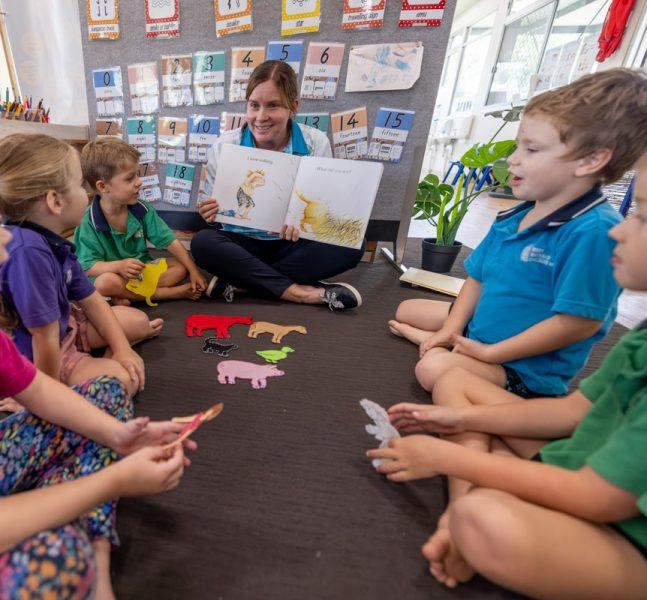
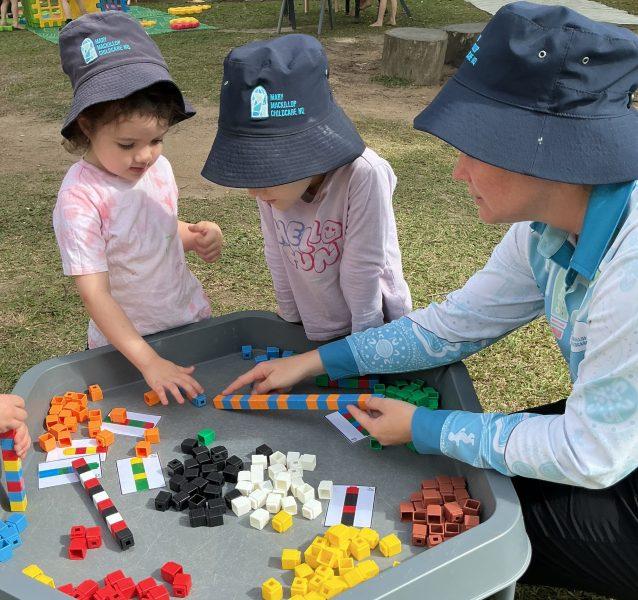
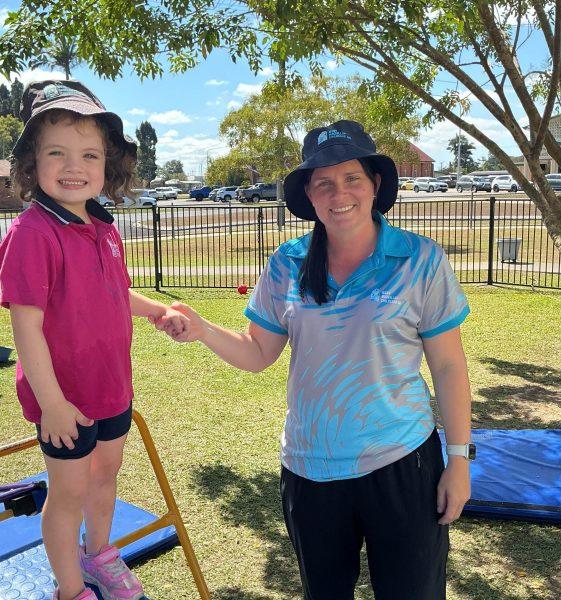
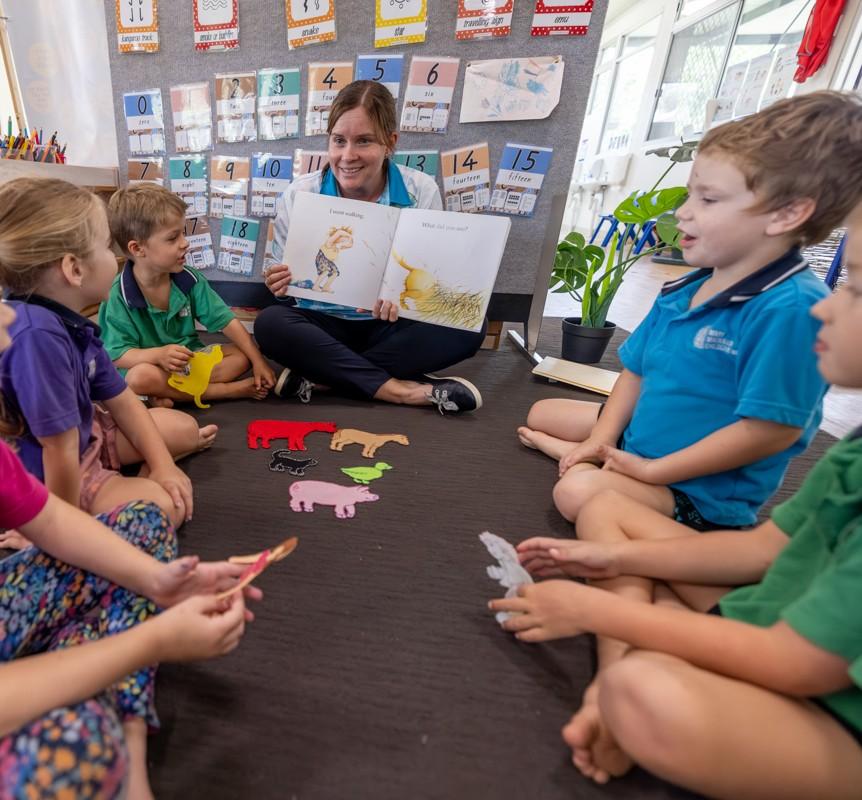
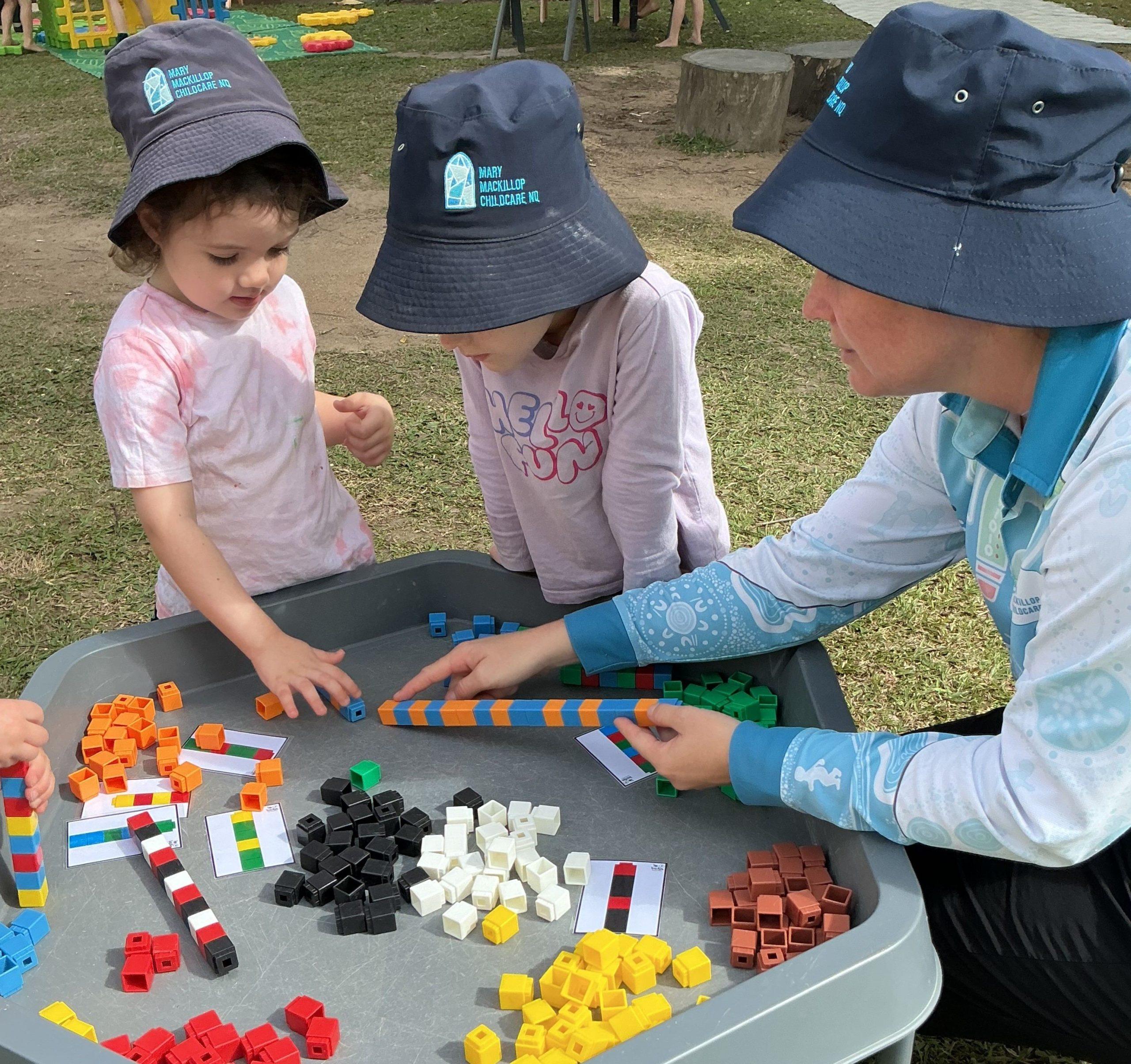
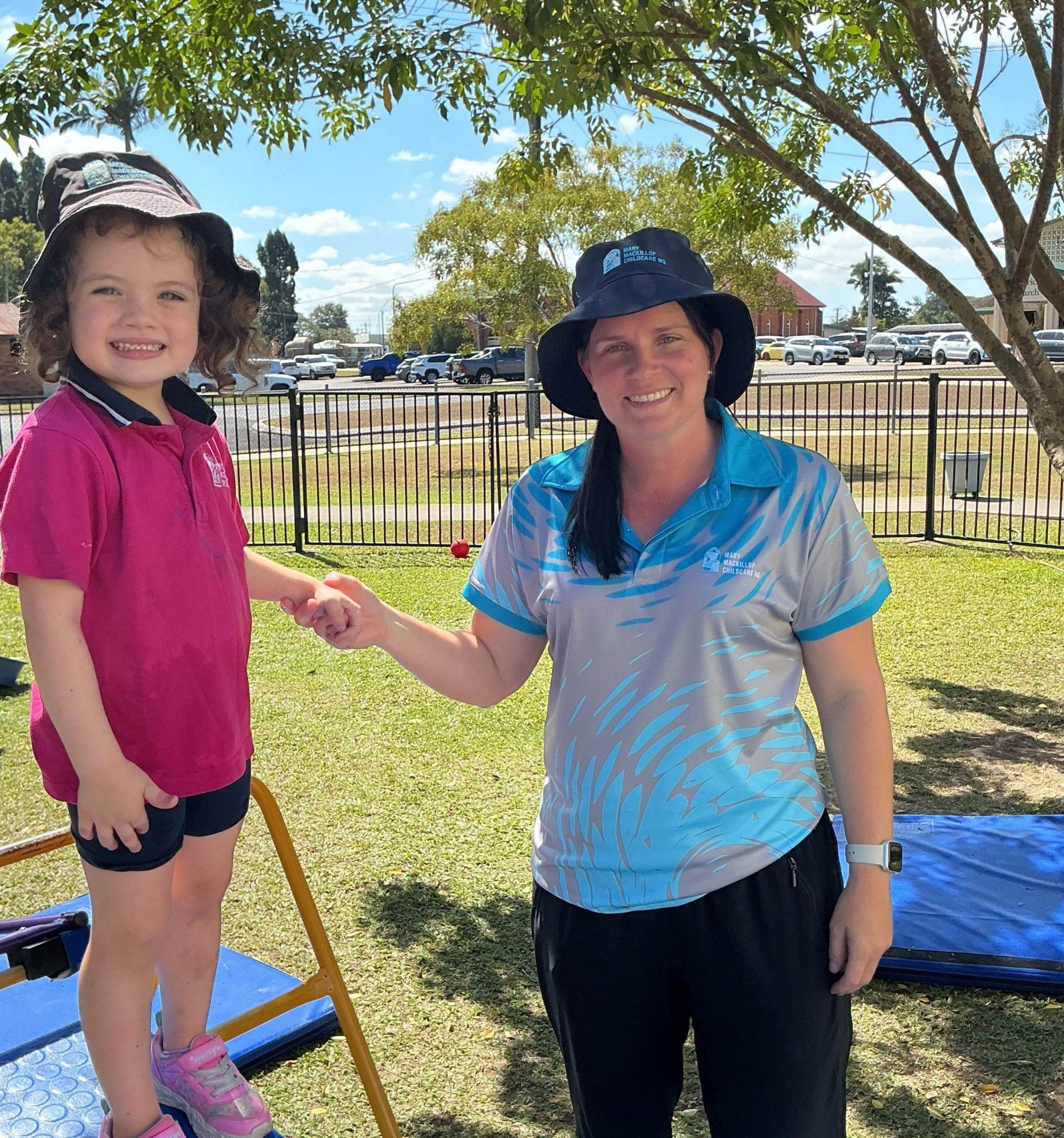
After more than a decade as a kinder teacher at St Mary MacKillop Early Learning Centre, Ingham, those moments continue to remind her why she loves working with young children.
A teacher from the very beginning
Some people find their way into education unexpectedly.
For Cassandra, the signs were there from the start.
Growing up as the youngest of three children, with much older siblings, she spent countless hours playing imaginative games with neighbourhood friends.
One game was a clear favourite.
“We used to play school, and I always chose to be the teacher,” she laughed.
Her own teachers also played a significant role in shaping her future.
She remembers them as kind, caring and fair educators who created classrooms where children felt welcomed and valued. School was a place she genuinely looked forward to each day.
“Their passion and dedication inspired me to become a teacher and provide children with the same positive and meaningful experiences that I enjoyed,” she said.
Teaching might also run in the family.
“I think it is genetic,” she reflected. “Many of my family members became teachers before me and after me.”
The conversation she never forgot
While Cassandra now works in early childhood education, one of the most influential moments of her career happened during her time teaching in primary schools across regional Queensland.
Early in her career, she moved to Charters Towers and took over a Year 5/6 composite class midway through the year.
As a graduate teacher, she was still finding her feet and learning how to navigate the challenges that come with leading a classroom.
After spending the first few weeks building relationships, she noticed that many of the behavioural challenges began to settle.
Then one winter morning, a student and his mother approached her before school.
As a new teacher, Cassandra admits her mind immediately jumped to worst case scenarios.
There had been no request for a meeting.
What could be wrong?
Instead, the student’s mother offered words Cassandra has never forgotten.
“Thank you for everything you have done. My son wants to come to school now.”
The impact of that brief conversation has stayed with her throughout her career.
“It helped me realise this was the path for me,” she said.
“It validated the effort and work I had put in and remains a moment I will never forget.”
Every child leaves a different footprint
After returning to her hometown of Ingham, Cassandra found her place in early childhood education.
For the past 11 years, she has been helping children navigate some of the most important years of their development.
What she loves most is that no two days are ever the same. The early years are filled with firsts.
First friendships.
First discoveries.
First moments of independence.
Every child brings their own strengths, interests and personality.
“Every child is different, and each grows and develops at different rates,” she said.
“Everyone has their own special footprint to leave.”
For Cassandra, helping children develop confidence and curiosity during these formative years is both a privilege and a responsibility.
Building belonging
When asked about the most important thing educators can do for young children, Cassandra’s answer is simple.
Build relationships.
“I believe one of the most important things teachers and educators can do is build positive, safe and supportive relationships and environments,” she said.
She believes children are most willing to learn, explore and take risks when they feel safe and connected.
When children develop a sense of belonging, they become more confident asking questions, forming friendships and tackling challenges.
Rather than leading from the front, Cassandra sees her role as walking alongside children as they grow and learn.
Her goal is to help them become curious, resilient and confident learners while developing the qualities that will help them contribute positively to the lives of others.
Guided by faith, community and care
Cassandra’s faith has shaped her throughout her life, from attending church and parish activities as a child to her ongoing involvement in her local church community today.
Those experiences continue to influence the way she approaches early childhood education.
“My faith encourages me to see each child as unique, valued and deserving of respect, compassion and care,” she said.
She strives to create environments where children feel secure enough to investigate, create, explore, ask questions, make mistakes and try again.
Through everyday interactions, she hopes to model qualities such as kindness, empathy, patience, gratitude and forgiveness.
These same values are at the heart of what she believes makes Catholic early childhood education so special.
In a Catholic setting, educators have the opportunity to nurture the whole child, supporting their physical, social, emotional, cognitive and spiritual development.
Walking alongside children
Cassandra believes Catholic education plays a vital role in helping children and families feel connected to something larger than themselves.
By combining high quality educational practice with faith, inclusion and community, Catholic early learning services help children develop not only knowledge and skills, but also character, resilience and a sense of responsibility towards others.
Ultimately, she sees her role as one of accompaniment.
“As educators, we are there to encourage children as they grow, support them when they face challenges and walk alongside them throughout their learning journey,” she said.
After nearly two decades in education, Cassandra knows she cannot take credit for every success and achievement her students experience.
But she knows the value of being present for the moment a child realises they can do something they once thought was beyond them.
The moment they stop and look proudly at what they have achieved.
The moment they smile and say, “I did it.”
And for Cassandra, that moment never gets old.